Tree Pruning in Hayes
If you are looking for tree pruning in Hayes, you are likely trying to solve a real problem rather than simply “tidy up” a garden. Maybe branches are starting to block light into a back room, perhaps a tree is brushing against a roof, or you may have noticed deadwood, poor structure, or an overgrown canopy that is becoming difficult to manage. In a busy local area like Hayes, pruning is often about more than appearance. It can help keep trees healthier, reduce risks around homes and business premises, and make outdoor spaces feel safer and more usable.
Local customers in Hayes often need a service that fits a mix of property types, from terraced homes with modest gardens to larger family plots, commercial units, landscaped frontages, shared access roads, and public-facing spaces. A good pruning service should understand how to work carefully around fences, parked cars, overhead wires, narrow side access, and nearby neighbours. It should also respect the tree itself, using the right cuts at the right time so the work supports healthy growth instead of leaving the tree stressed or lopsided.
Whether you need crown thinning, crown lifting, deadwood removal, formative pruning for younger trees, or a reduction to manage size and shape, choosing a local team can make a noticeable difference. A well-pruned tree can look balanced, allow more daylight, reduce wind resistance, and help prevent future issues. If you want practical advice, a clear plan, and a professional finish, this page explains how tree pruning services in Hayes typically work and what to consider before booking.
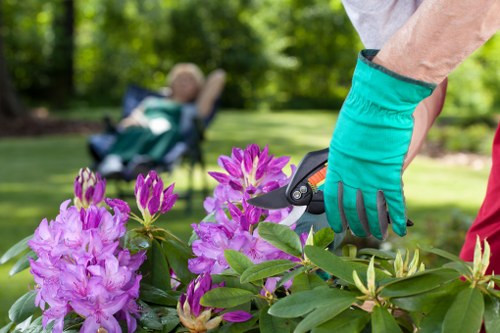
Why tree pruning matters for Hayes properties
Hayes includes a wide range of residential streets, busy roads, commercial premises, and mixed-use properties, which means trees can quickly become part of everyday life rather than just part of the landscape. When branches grow too close to buildings, fencing, paths, or roadways, they can create nuisance, reduce visibility, and make maintenance harder. In some cases, overgrown canopies also trap moisture, shade lawns too heavily, or make garden spaces feel smaller than they really are.
Tree pruning is a targeted way to manage these issues without removing a tree unnecessarily. It is usually a better option than cutting back indiscriminately, because skilled pruning focuses on the tree’s structure, health, and future shape. For example, removing dead or crossing branches can reduce the likelihood of breakage, while thinning dense growth can improve airflow and help sunlight reach parts of the garden that need it. In a built-up area, those benefits can be especially valuable.
For many Hayes customers, the practical outcome matters most. You may want your garden to feel brighter for family use, keep a driveway clear, reduce debris falling onto paths, or prevent branches from interfering with daily access. A local arboricultural team can assess the situation and recommend the right approach, whether that means a light tidy, more focused remedial work, or a planned maintenance cycle for trees that need regular attention.
What tree pruning services usually include
When people enquire about tree pruning in Hayes, they often want to know exactly what work is carried out. The precise approach depends on the species, age, condition, size, and setting of the tree, but most pruning services involve one or more of the following:
- Crown thinning to remove selected branches and reduce density while keeping the tree’s natural outline.
- Crown lifting to raise the lower canopy and improve access, clearance, or light.
- Crown reduction to reduce overall spread or height in a controlled way.
- Deadwood removal to take out dead, dying, or broken branches that may pose a risk.
- Formative pruning for younger trees to encourage a strong, well-balanced structure.
- Selective branch removal where branches are rubbing, growing in poor directions, or causing obstruction.
A reliable local service should begin with an assessment rather than jumping straight to cutting. Different trees respond differently to pruning. Some species tolerate shaping well, while others prefer a lighter touch. The right method depends on the tree’s long-term health as much as the immediate issue you want solved. Good pruning is measured, not rushed.
In practice, many Hayes homeowners ask for pruning because they want to keep a tree but make it manageable. Commercial customers may need the same kind of work for access, presentation, customer safety, or to keep signage and building features visible. Either way, the aim is to improve the site without creating unnecessary disturbance.

Local knowledge makes a real difference
One reason customers choose a local tree team is that they understand the practical realities of working in and around Hayes. Some streets have limited parking, so equipment may need to be unloaded efficiently. Some properties have narrow side access or shared walkways, which means the pruning plan has to account for safe movement of tools, cuttings, and waste. There may also be boundaries close to neighbouring homes, meaning the work needs to be carried out neatly and with care.
Local knowledge also helps when trees are positioned near commercial units, schools, small office buildings, communal gardens, or areas with regular foot traffic. A local crew is more likely to anticipate how to keep disruption low and how to complete the job with minimal inconvenience. This is especially useful if work needs to be scheduled around opening hours, deliveries, school runs, or residents’ access needs.
Another advantage is familiarity with the kinds of trees commonly found in the area. In Hayes and the surrounding parts of west London, customers often deal with mature garden trees, ornamental planting, hedging that has become woody, and trees that have grown in confined urban spaces. These conditions often call for practical, careful pruning rather than heavy-handed cutting. If you are unsure what your tree needs, a local professional can explain the options in plain language and help you decide on the best course of action.
When pruning is the right choice
Not every tree needs to be felled or heavily reduced. In many cases, pruning is the most sensible way to restore balance and control growth. It can be the right solution if you have branches touching the roof, blocking windows, hanging over a neighbour’s property, or encroaching onto a pavement or driveway. It may also be appropriate where the tree’s shape has become uneven, where storm damage has left broken limbs, or where deadwood is becoming noticeable.
Some customers contact a service after noticing seasonal issues. For instance, leaves and small twigs may be creating extra cleanup work in autumn, dense shade may be affecting a lawn or planting bed, or low branches may make it awkward to mow, park, or move around the garden. In a commercial setting, low growth can obscure entrances or signage. In these cases, a planned pruning visit can make the property easier to manage and more presentable.
It is also worth remembering that pruning is often best done before a problem becomes urgent. A tree that is beginning to lean awkwardly, shed dead branches, or interfere with structures can often be corrected or stabilised through timely work. Waiting too long can make the solution more expensive or more disruptive. If you are seeing early signs of trouble, it is sensible to arrange an inspection sooner rather than later.

How a professional pruning service works
A proper pruning job should feel organised from the first visit to the final tidy-up. While every property is different, the usual process is straightforward and customer-friendly. First, the tree is assessed so the team can understand the species, size, condition, and access. Then the pruning method is agreed, taking into account your aims, the tree’s needs, and any site constraints. After that, the work is completed with controlled cuts, safe handling of branches, and a clean finish.
In many cases, customers appreciate when the service is explained clearly before any cutting begins. You should know which branches are being removed, why they are being removed, and what outcome to expect. A trustworthy local company will not use vague terms or suggest unnecessary work. Instead, it should focus on the practical result: healthier growth, safer surroundings, better shape, and a more manageable tree.
Once the pruning is finished, the area should be left tidy. That usually includes clearing away cut material and ensuring the site is safe to use again. If you are booking for a home, this matters because you do not want to spend the rest of the day dealing with debris. If you are booking for a business, it matters because your customers, staff, or tenants need the space returned in usable condition as quickly as possible.
Benefits of regular tree pruning
Regular pruning offers more than one benefit, especially in a built-up location like Hayes where trees have to share space with homes, gardens, roads, and commercial properties. A well-managed tree can be attractive and functional at the same time. The main advantages typically include improved safety, healthier growth, better appearance, and easier maintenance over the long term.
One of the most obvious benefits is risk reduction. Dead, damaged, or weak branches can fall during strong winds or heavy rain, and pruning can remove some of that concern before it becomes a bigger issue. Another important benefit is shape control. Trees that are left unattended for years may become too dense, too wide, or unbalanced, which can lead to awkward growth and future structural problems. Strategic pruning helps maintain a more stable framework.
There are also everyday lifestyle benefits. More natural light can make rooms feel brighter. Better airflow can make outdoor spaces feel fresher. Clearer access can make it easier to use a path, driveway, or garden boundary. For commercial sites, tidy trees can help create a more professional appearance. In short, the right pruning work can make a property feel cared for and well managed without removing the character that trees bring.
Common reasons Hayes customers request pruning
- Branches hanging too low over paths, drives, or lawns.
- Dense canopies blocking daylight into homes or gardens.
- Deadwood or storm-damaged limbs needing removal.
- Tree growth interfering with roofs, gutters, fences, or signage.
- Improving the shape of ornamental or front-garden trees.
- Keeping older trees safe and manageable in confined spaces.
What to expect from a local team in Hayes
When you book a local service for tree pruning in Hayes, you should expect a practical approach that respects both the property and the tree. A good team will arrive prepared, assess access carefully, and carry out the work with the right equipment for the site. In residential areas, this often means taking extra care around driveways, garden features, sheds, and nearby planting. In commercial settings, it may involve working around operations, customer movement, or delivery schedules.
You should also expect a service that is clear about what can and cannot be achieved in one visit. Some trees need a light correction only. Others may require a more staged approach if the canopy is large, the access is tight, or the tree has not been maintained for some time. Honest advice is often more valuable than overpromising. If a tree would be harmed by excessive cutting, a responsible team should say so and suggest a better alternative.
Many customers value local teams because they are easier to coordinate with and more likely to understand area-specific conditions. That can matter when there is limited roadside space for loading, when cuttings need to be removed carefully through a narrow passage, or when neighbouring properties need to be respected. In a place like Hayes, where properties vary considerably, that flexibility can make the entire experience smoother.
Residential tree pruning in Hayes
Homeowners often contact a pruning service because the tree in the garden has become too large for the space available. This can happen gradually, especially when a tree has been left untouched for several seasons. A branch that once looked harmless may now be too close to the house, while a canopy that once gave useful shade may now be preventing the garden from feeling open and inviting.
For residential customers, the goal is often to improve the balance between privacy, light, and safety. Some people want to keep mature trees because they value the screening and seasonal interest they provide, but they also need them to sit comfortably within the garden. Pruning can help achieve that balance. It can also make garden maintenance easier, which is particularly helpful for busy households that do not want a tree creating extra work every week.
Another common concern is neighbourly goodwill. Overhanging branches can lead to disputes or frustration if they are left unchecked. A polite, timely pruning visit can help resolve the issue before it becomes more complicated. This is one reason many homeowners prefer to act early rather than waiting for a branch to cause damage, nuisance, or access problems.
Commercial tree pruning for businesses and managed sites
Commercial customers in Hayes may need pruning for reasons that are a little different from those of homeowners, but the basic principles are similar. Trees around office buildings, retail units, car parks, hospitality venues, schools, care settings, and industrial premises need to be kept safe, tidy, and suitable for the space they occupy. Overgrown branches can affect visibility, lighting, access, and the overall impression of a site.
For businesses, regular pruning can also support routine maintenance. It may help keep pathways clear, reduce obstruction near entrances, and prevent trees from interfering with signage, cameras, or lighting. In some settings, the work needs to be planned so it does not interrupt customers, employees, or deliveries. A local team with experience in urban and commercial environments can help arrange work efficiently and keep disruption to a sensible minimum.
Well-managed trees can contribute positively to a site, but only if they are maintained properly. A neglected tree can quickly look untidy and start creating operational headaches. That is why many commercial property managers arrange pruning as part of a wider maintenance plan rather than waiting for problems to appear.
Preparation checklist before pruning day
Preparing well can help the job run more smoothly and reduce delays. You do not need to do anything complicated, but a few small steps can make a difference.
- Move vehicles away from the work area if possible.
- Clear ornaments, garden furniture, and fragile items from beneath the tree.
- Make sure side access gates or shared entrances can be used safely.
- Tell the team about any known issues such as soft ground, hidden cables, or awkward steps.
- Discuss if any nearby windows, sheds, or fencing need extra care.
- Keep pets and children away from the work zone while pruning is underway.
These simple steps help the pruning team work efficiently and safely. They also reduce the chance of accidental damage to items that could easily be moved in advance. If your property has restricted access, let the team know beforehand so they can plan accordingly. This is especially useful in parts of Hayes where parking or access can be limited.
Pricing factors to consider
Customers often want to understand what affects the cost of tree pruning before they request a quote. While exact prices cannot be listed without seeing the tree and site, several practical factors usually influence the work involved. These include the tree’s size, the amount of pruning needed, how accessible the site is, whether climbing or specialist equipment is required, and how much waste needs to be removed.
Other factors can include the species of tree, how long it has been since it was last maintained, whether the work needs to be carried out near structures or services, and whether the property has tight access. A small tree in an open front garden is generally simpler than a large mature tree overhanging a roof in a narrow rear garden. That is why a proper assessment is useful before any commitment is made.
Instead of focusing only on price, it is worth thinking about value, care, and suitability. A carefully pruned tree that remains healthy and well-shaped for longer may save you hassle later. Likewise, work done safely and tidily can avoid damage and reduce disruption. If you are comparing providers, ask what is included, how the tree will be handled, and whether the team has experience with local access challenges.
Why choose a local company for tree pruning in Hayes
There are several good reasons to use a local company rather than a distant one. A local team is usually more familiar with the layout of the area, the typical access constraints, and the expectations of nearby residents and businesses. That can make arrangements more straightforward and the work itself more efficient. It can also help when a site needs a flexible visit time or a quick assessment before work goes ahead.
Local companies are often better placed to provide practical advice suited to the conditions on the ground. Hayes has a mix of older properties, newer developments, commercial zones, and streets with limited space for equipment and vehicles. A team that understands those realities can plan better and reduce inconvenience. In many cases, that local experience is just as important as technical skill.
When you book a nearby service, you also tend to get clearer communication and easier scheduling. If the tree needs a follow-up visit in future, or if you want ongoing maintenance, it is helpful to work with a team that already understands the site. For many customers, convenience and reliability are just as important as the pruning itself.
Areas covered around Hayes
Tree pruning requests come from across Hayes and the surrounding districts, especially where gardens, boundaries, and access points need regular care. Nearby areas can include local neighbourhoods and connected parts of west London where similar property types and maintenance needs are common. Customers often also ask for pruning where trees affect shared boundaries, communal spaces, or busy frontages.
- Hayes town centre and surrounding residential streets
- Nearby Southall and Uxbridge-connected areas
- Local estates, family homes, and shared access properties
- Commercial yards, shopfronts, and mixed-use sites
- Managed outdoor spaces, communal gardens, and frontage planting
If you are not sure whether your property falls within the normal service area, it is usually worth making an enquiry. Local tree care services often work across a wider patch than people expect, especially where work is grouped efficiently or where access can be arranged in advance.
Frequently asked questions
How do I know if my tree needs pruning?
Common signs include branches touching the house, reduced daylight, deadwood, rubbing limbs, uneven growth, or branches interfering with paths, parking, or neighbouring land. If the tree looks crowded, awkward, or hard to manage, pruning may be the right step.
Will pruning harm my tree?
Not when it is done properly. The purpose of pruning is to improve structure, safety, and growth, not to weaken the tree. The key is using the right method and avoiding unnecessary removal. A knowledgeable team will keep the tree’s long-term health in mind.
Can large trees in small Hayes gardens be pruned safely?
Yes, but the approach may need to be more careful and methodical. Tight access, nearby buildings, and limited space for waste removal all need to be considered. This is exactly where local experience becomes valuable.
Do I need to be home while the work is being done?
That depends on the arrangement and access. Some customers prefer to be present at the start to confirm details, while others arrange access and return later. The important thing is that the scope of work and any site-specific notes are clear before pruning begins.
Can pruning reduce the size of a tree without removing it?
Yes, in many cases. Crown reduction or selective pruning can make a tree more manageable while keeping it in place. The exact method depends on the species and condition of the tree, so it is best to ask for professional advice rather than assuming a heavy cut is the only option.
Book tree pruning in Hayes
If your tree is becoming difficult to manage, now is a good time to act. Whether you need a small amount of corrective pruning, a light canopy reduction, or a more planned maintenance visit, a local team can assess the tree and suggest a sensible way forward. The aim is to improve safety, keep the tree healthy, and make your property easier to live with or manage.
Contact us today to discuss your tree, explain what you are hoping to achieve, and request a free quote. If you are ready to improve light, restore shape, or deal with an overgrown canopy, book your service now and take the first step toward a safer, tidier outdoor space.
Tree pruning in Hayes is about practical results, local understanding, and careful work that respects both your property and the tree. If that is what you need, a professional local service can make the process straightforward from start to finish.