Crown Reduction in Hayes
Professional tree care for homes and businesses in Hayes
If you are looking for crown reduction in Hayes, you are probably dealing with a tree that has become too large for its space, is shading too much of a garden, or is beginning to interfere with nearby buildings, fences, or overhead features. Crown reduction is one of the most useful tree surgery services for local property owners because it can make a tree more manageable while keeping its natural shape and health in mind.
In a busy part of West London like Hayes, trees often need careful, practical attention rather than drastic cutting. Gardens can be compact, properties may sit close together, and access can be limited by side passages, shared driveways, or rear entries. A well-planned reduction helps balance the needs of the tree with the realities of the site, giving you a safer and more usable outdoor space.
Whether your tree is in a residential garden, a rental property, a business yard, or a communal space, a local arborist can assess the canopy, identify what can be reduced responsibly, and carry out the work with the right equipment and approach. Contact us today if you need advice on whether a crown reduction is suitable for your tree.
What crown reduction actually means
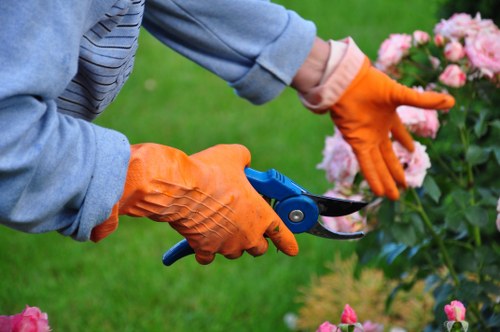
Crown reduction is the process of shortening the branches of a tree to reduce its overall height and spread, while keeping the tree’s natural form as intact as possible. The aim is not to flatten or heavily reshape the tree, but to reduce its size in a controlled way so it fits its surroundings better.
It is different from simple trimming or topping. A proper reduction involves making selective cuts back to suitable growth points, rather than chopping branches at arbitrary points. This matters because the wrong cuts can leave the tree stressed, misshapen, or more vulnerable to decay. A skilled local tree surgeon will look at the species, age, condition, and growth pattern before deciding how much to remove.
For many customers asking about tree crown reduction in Hayes, the main concern is usually one of these: the tree is getting too tall, too wide, too close to a structure, or too dominant in a garden that needs more light. In each case, the work should be tailored to the tree and to the site rather than using a one-size-fits-all method.
Why local properties in Hayes often need crown reduction

Hayes has a mix of housing styles, from terraced homes and semi-detached properties to larger plots, newer developments, and commercial premises. That variety creates different challenges for tree care. In some streets, trees may stand close to boundary lines and neighbouring roofs. In others, the issue may be a mature tree in a modest garden that has outgrown its space over time.
Local weather exposure, regular wind, and seasonal growth can also make canopies spread more than expected. Trees that were once well proportioned can begin to block daylight, hang over conservatories, touch walls, or interfere with telephone lines and surrounding planting. For landlords and commercial property managers, overgrown crowns can also affect sightlines, parking spaces, and the overall appearance of a site.
This is why many residents searching for crown reduction Hayes services want a local team who understands the area and the practical realities of access. A team working in and around Hayes is more likely to be familiar with narrow side access, shared boundaries, school or business openings, and the logistics of getting a clean job done without unnecessary disruption.
When crown reduction may be the right solution
Signs your tree may be due for reduction
Not every tree needs a reduction, but there are clear signs that one may be appropriate. If you have noticed any of the following, it may be time to arrange an inspection:
- The canopy is blocking too much natural light into your garden or rooms.
- Branches are extending over roofs, sheds, garages, or outbuildings.
- The tree is encroaching on neighbours’ space or crossing a boundary.
- Wind resistance seems high, and the canopy catches gusts heavily.
- The tree is touching nearby structures, cables, or planting.
- The size of the tree no longer suits the size of the plot.
- Falling twigs or overhanging growth are creating a nuisance.
It is also worth noting that reduction can be a useful option after years of unbalanced growth. If one side of the tree is heavier than the other, or if it has grown too close to a building, selective reduction can restore balance while keeping the tree in good condition.
Book your service now if you want a professional assessment of whether reduction, pruning, or another tree surgery method is the best fit.
How a professional crown reduction is carried out
A proper crown reduction begins with an on-site assessment. The tree surgeon will look at the species, structural condition, branch attachment, surrounding structures, access routes, and the amount of reduction that is realistically appropriate. This initial evaluation is important because the same approach does not suit every tree.
Once the plan is agreed, the work is usually carried out by climbing, using safe access equipment, and removing selected branches carefully. The objective is to reduce the height and spread evenly, leaving a balanced canopy. Good practice normally includes cutting to healthy growth points and avoiding excessive removal that could shock the tree.
After the reduction, the tree is tidied and the arisings are managed responsibly. For many homeowners, the most visible benefit is the immediate improvement in light and space. For commercial clients, the result can be a neater appearance and fewer obstruction concerns around entrances, pathways, or customer parking areas.
What is included in a crown reduction service
Typical service elements
While every site is different, a well-run crown reduction in Hayes service usually includes a set of practical steps designed to deliver a safe and tidy result. These often include:
- Initial inspection of the tree and surrounding area
- Discussion of the desired outcome and suitable reduction level
- Careful selective cutting to reduce the crown
- Removal of dead, broken, or awkwardly positioned branches where appropriate
- Attention to balance, shape, and future regrowth
- Clearing up of branches and debris after the work
- Advice on future maintenance and follow-up care
Some trees may also benefit from related work such as deadwood removal, thinning, or crown lifting, but these should only be recommended if they make sense for the tree and the location. A reputable local company will explain the options clearly and avoid unnecessary work.
Request a free quote if you would like the work reviewed with your property in mind.
Benefits of crown reduction for Hayes homes and businesses
For many customers, the value of crown reduction becomes obvious very quickly. A smaller, more balanced canopy can transform how a garden or site feels, especially in areas where outside space is limited. The main benefits usually include improved light, reduced encroachment, and better overall manageability.
Homeowners often want more daylight in their kitchens, lounges, patios, and gardens. Reducing a tree’s crown can make a surprising difference without needing to remove the tree entirely. At the same time, the tree remains an attractive feature rather than becoming a problem that dominates the property.
Commercial customers can also benefit in practical ways. Reduced canopy spread can help keep signs visible, improve pedestrian access, reduce obstruction near parking bays, and create a more polished impression for visitors, tenants, or staff. In business settings, a tidy tree line can contribute to safer and easier movement around the site.
Why not just cut the tree back heavily?
The difference between reduction and poor cutting
It can be tempting to ask for a tree to be “cut right back”, especially if it has become frustratingly large. However, overly severe cutting can cause long-term problems. It may lead to weak regrowth, stress, excessive shoots, a lopsided outline, or increased susceptibility to disease and decay.
Proper crown reduction aims to preserve tree health while achieving a practical size reduction. That means using sensible pruning points, reducing evenly, and respecting the structure of the tree. It is a more considered option than topping, and in most cases it gives a better outcome both visually and biologically.
Important: if you are unsure whether your tree needs reduction, pruning, or removal, a local inspection is the best starting point. The right advice can save you time, money, and future problems.
Local access, parking, and site challenges in Hayes
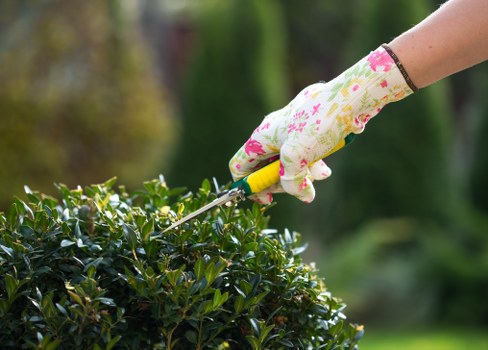
One of the advantages of hiring a local company for crown reduction in Hayes is their understanding of common access issues. Some gardens can only be reached through narrow side passages. Others may involve shared driveways, limited parking, or tight working space near fences and garages. These are not small details; they affect how safely and efficiently the work can be completed.
Hayes also includes a variety of residential roads and commercial surroundings where traffic management, timing, and clean-up matter. For larger trees or more awkward sites, it helps when the team can plan equipment loading, waste removal, and access routes without causing unnecessary disruption to neighbours, employees, or customers.
In places such as nearby Southall, Hillingdon, West Drayton, Yeading, Harlington, North Hyde, and Cranford, similar local conditions often apply. That regional familiarity can make a real difference when arranging a practical visit, especially if the tree is in a tight rear garden or beside a busy access point.
Preparation checklist before your tree work
Simple steps that make the visit smoother
Before the team arrives, a few small preparations can help the job run more smoothly and keep your property protected. You do not need to do everything yourself, but a bit of planning helps reduce delays and avoids surprises on the day.
- Make sure access gates and side entrances are unlocked if needed.
- Move cars, bikes, bins, and garden furniture away from the work area where possible.
- Keep pets and children away from the site during the work.
- Identify anything fragile near the tree, such as ornaments, pots, or washing lines.
- Let the team know about any hidden issues, including weak fences, underground features, or shared boundaries.
- If the tree is near a neighbour’s land, it can be helpful to check access arrangements in advance.
For many households, the most useful thing is simply to point out what matters most: light into a room, space for a seating area, or clearance above a driveway. The better the communication, the more tailored the result can be.
What affects the cost of crown reduction?
Every tree and site is different, so pricing depends on a range of practical factors rather than a fixed one-size-fits-all rate. The aim is to provide an accurate quote based on the real work involved.
Common pricing factors include:
- Tree height and spread
- Species and density of the crown
- Level of reduction needed
- Access to the work area
- Whether specialist climbing or equipment is required
- Waste volume and removal needs
- Time required to complete the job safely
Smaller trees in open gardens may be straightforward, while large mature trees in tight spaces can require more time and care. A clear quote should explain what is included so you understand the scope before committing. If you are comparing options, it is sensible to look for practical knowledge, clarity, and a method that respects the tree as well as the site.
Contact us today to arrange a quote based on your tree and your property layout.
Why choose a local company in Hayes
Local knowledge can save time and stress
Choosing a local tree surgery team is about more than convenience. A company working regularly in Hayes is more likely to understand the mix of property styles, local access constraints, and the expectations of nearby residents and businesses. That means the job can be planned more efficiently and carried out with fewer unnecessary complications.
Local teams are also better placed to respond quickly for inspections, repeat maintenance, and follow-up work. If you need ongoing tree care, it is helpful to have someone who already understands the layout of your property and the history of your trees. That can be especially useful for boundary trees, multi-stemmed specimens, and mature trees that need careful management over time.
For many customers, the deciding factors are straightforward: good communication, tidy workmanship, appropriate equipment, and respect for the surrounding space. Those qualities matter whether the job is in a private back garden, a shared access route, or a commercial forecourt.
Residential crown reduction services
Homeowners in Hayes often ask for crown reduction because a tree has started to dominate the garden or block too much sunlight. In compact spaces, even a moderate reduction can dramatically improve the feel of the property. It can also make outdoor areas more usable for seating, children’s play, or planting.
Typical residential requests include trees leaning over roofs, branches brushing windows, canopies casting heavy shade, or growth interfering with neighbouring fences. In these cases, the goal is to create a better balance between the tree and the house without removing an established feature altogether.
Where trees sit near patios, sheds, extensions, or driveways, the work may also help reduce everyday frustration. Instead of treating the tree as a nuisance, a planned reduction can bring it back into a manageable shape that suits the property.
Commercial and managed-property tree care
Commercial premises in and around Hayes often need trees to look neat, accessible, and safe. Offices, retail spaces, yards, and managed residential blocks can all benefit from well-maintained crowns that do not interfere with movement, lighting, or visibility.
For businesses, there is often a practical need to minimise disruption. A local team can plan work around opening hours, access points, and shared spaces so the task is completed with as little inconvenience as possible. That can be particularly important where parking is limited or where branches overhang busy customer routes.
Property managers also need to think about consistency. Trees that are reduced responsibly and maintained periodically are easier to manage than trees left to become heavily overgrown. Ongoing care can help preserve the appearance of a site and reduce the need for more disruptive action later on.
FAQs about crown reduction in Hayes
Common customer questions
How do I know if my tree needs crown reduction?
Usually the signs are practical: too much shade, branches reaching buildings, reduced usable space, or a canopy that has become too large for the site. An inspection can confirm whether reduction is suitable.
Will the tree look odd afterwards?
A well-executed reduction should leave the tree looking balanced and natural. The aim is to reduce size without creating a harsh or unnatural outline.
Is crown reduction bad for trees?
Not when it is done correctly and for a sensible reason. Problems usually arise when trees are cut too severely or in the wrong places. Proper pruning helps reduce those risks.
How often will a tree need reducing again?
That depends on species, age, growth rate, and site conditions. Some trees regrow quickly, while others need attention less often. A tree surgeon can advise based on your specific tree.
Can crown reduction help with neighbour disputes?
In many situations, yes. If a tree is encroaching on a boundary or creating excessive overhang, reduction can be a practical way to restore space and reduce tension, provided the work is carried out appropriately.
Do I need permission before work is carried out?
Some trees may be protected by preservation controls or other local restrictions. It is important to check before work begins, especially if the tree is large, mature, or in a sensitive location. A local arborist can help assess that.
What to expect from a professional visit
A straightforward process from enquiry to completion
When you arrange crown reduction, the process should feel clear and practical. It usually starts with an assessment, followed by a discussion of what needs to be achieved and how the tree should be handled. Once the work is agreed, the team schedules the visit and completes the reduction with care.
During the visit, good communication matters. You should know what is being done, how access will be managed, and what will happen to the cut branches. A tidy finish is part of a proper service, and you should expect the work area to be left clean and ready for normal use again.
If follow-up maintenance is likely, the team can suggest a sensible approach for the future. That may include periodic inspection, light pruning, or another reduction at a suitable interval depending on growth and location.
Areas covered around Hayes
We provide crown reduction work for customers in Hayes and the surrounding area, including nearby locations such as Southall, Hillingdon, Yeading, North Hyde, Harlington, West Drayton, Cranford, and other parts of the local borough. If your property is nearby and you need reliable tree care, a local assessment is the best place to start.
Because every site is different, nearby estates, residential roads, and commercial areas may all have different access and waste-handling requirements. A local service can take these practical issues into account from the outset, which helps avoid delays and keeps the job efficient.
If you are unsure whether your location is covered, the simplest option is to make an enquiry and describe your tree, your property layout, and your preferred timescale. Request a free quote and let the work be assessed properly.
Final thoughts on crown reduction in Hayes
Practical tree care that suits your property
Crown reduction in Hayes is one of the most effective ways to bring an overgrown tree back into balance without removing it altogether. It can improve light, create more space, reduce contact with nearby structures, and make a property feel more manageable. When done correctly, it is a practical investment in both the look and long-term condition of your trees.
For homeowners, landlords, and commercial property managers, the key is choosing a team that understands local access, respects the site, and works with the tree rather than against it. That combination matters in a place like Hayes, where every garden, yard, and frontage can present a different challenge.
If your tree is getting too large or starting to cause everyday issues, do not wait until it becomes a bigger problem. Contact us today to discuss your needs, arrange an inspection, and take the next step toward a safer, tidier, and more usable outdoor space.