Crown lifting in Hayes
If you are looking for crown lifting in Hayes, you are probably dealing with one of a few common situations: a tree that now blocks light, branches hanging too low over a driveway, a canopy that makes a front garden feel enclosed, or a tree that simply needs to be raised to create better clearance. Whatever the reason, crown lifting is one of the most practical tree surgery services for homes, landlords, schools, offices, shops, industrial sites, and managed estates across Hayes.
Done well, crown lifting can improve access, let in more daylight, help a tree sit more comfortably within its surroundings, and reduce the nuisance of low branches brushing vehicles, footpaths, signs, or rooflines. Done badly, it can leave a tree looking sparse or stressed. That is why local customers in Hayes often prefer a team that understands both the tree and the setting: compact residential streets, mixed commercial premises, busy roads, parking limits, shared access, and the variety of tree species found across the area.
In this page, you will find a clear, customer-friendly overview of what crown lifting involves, when it makes sense, what happens on the day, what can affect cost, and why using a local service can make the whole process easier. If you are trying to decide whether to request a quote, this page should help you feel more confident about the next step.
What crown lifting means and why it is used
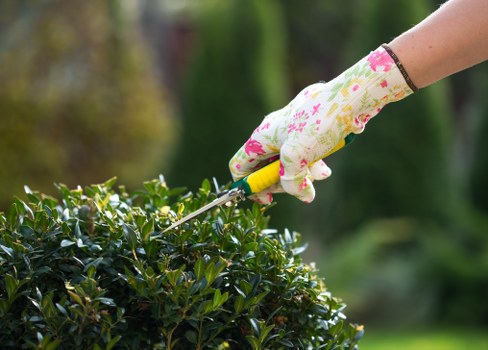
Crown lifting is the selective removal of lower branches from a tree’s canopy so the crown begins higher up the trunk. The aim is not to reduce the overall size of the tree in the same way as a reduction would, but to create clearance underneath the canopy. This can make a big difference where a tree is close to a path, road, lawn, driveway, shop frontage, or a place where people regularly pass under it.
For many Hayes properties, the need comes from the way trees and buildings now share space. Older trees may have grown naturally for years before nearby fences, extensions, dropped kerbs, garages, or paved areas changed how the tree is used day to day. In such cases, crown lifting can help balance the tree’s presence with the practical needs of the site.
It is also a useful option when a customer wants a tree to stay in place but simply needs more room beneath it. A carefully lifted crown can improve visibility, allow more natural light into a garden, and make outdoor areas more comfortable without removing the tree altogether.
When crown lifting is usually considered
Customers ask about this service for many reasons, and the most common are straightforward:
- Branches are hanging too low over a driveway or parking space.
- The lower canopy is blocking light into a home or garden.
- People need safer clearance over a footpath, entrance, or boundary line.
- A commercial site needs better visibility for signage or access.
- Lower limbs are interfering with mowing, maintenance, or landscaping.
In Hayes, these requests often come from terraced homes, semi-detached properties, flats with shared gardens, retail premises, office car parks, and estate-managed green spaces. The right lifting height depends on the tree, the site, and how the area is actually used.
Why Hayes customers often need crown lifting
Hayes is a busy, well-used part of West London where trees often sit close to everyday activity. That means a tree may be perfectly healthy but still feel inconvenient because its lower branches are in the way. On residential streets, residents may want better access for cars, more daylight into a front room, or less overhang above a pavement or path. On commercial sites, businesses may need easier vehicle movement, safer pedestrian routes, and improved clearances around entrances or loading areas.
Local tree work also has to take account of practical issues that are easy to overlook until the job starts. Parking can be limited, access routes may be narrow, and some sites have shared driveways, side passages, or rear garden access only. A local team used to working in Hayes is better prepared for these realities and can plan the work accordingly.
There is also the question of tree species and growth habit. Some trees naturally carry their lower branches quite low for a long time, while others respond well to selective lifting. A local arborist can advise on what is sensible rather than simply cutting back whatever is in the way. The goal should always be to improve clearance while keeping the tree looking balanced and healthy.
Common locations where lifting helps
- Front gardens with mature ornamental or street-facing trees
- Driveways where branches have started to interfere with parking
- Rear gardens with shaded lawns or patio spaces
- Schools, nurseries, and community facilities needing safer access
- Commercial forecourts and business parks with regular traffic
- Shared courtyards and managed residential developments
In practical terms, crown lifting often solves a day-to-day problem without needing major tree removal. That is one reason it remains such a popular service for homeowners, landlords, and commercial property managers in Hayes.
What the service includes
Every site is different, but a well-organised crown lifting service usually begins with a visual assessment of the tree and the surrounding area. This helps identify which branches should be removed, how much clearance is needed, and whether any other work may be sensible at the same time. For example, a tree may benefit from light deadwood removal, selective thinning, or limited correction of awkward growth where appropriate.
A professional service should be focused on precision. It is not about stripping the tree back. Instead, lower branches are removed selectively to produce a clearer trunk line and a more usable space beneath the canopy. The work should preserve the overall structure of the tree as much as possible.
Depending on the site and the tree, the service may include the following:
- Assessment of clearance requirements
- Selective removal of low branches
- Pruning to maintain balance and shape
- Cutting back growth that obstructs access or visibility
- Removal and tidy-up of arisings where agreed
- Advice on aftercare and future maintenance intervals
What it should not be
A proper crown lift should not leave a tree with a bare or lopsided appearance. It should not involve removing so much lower growth that the canopy looks unnatural. And it should not ignore the tree’s long-term condition. If a tree is already under stress, over-lifting may do more harm than good. That is why the skill and judgement of the person carrying out the work matter so much.
Helpful for both homes and business premises
Residential customers often want better light and easier parking. Commercial customers may need clear access for customers, staff, deliveries, or maintenance vehicles. In both cases, the end result should be practical, tidy, and visually sensible.
How crown lifting works from quote to completion

Most customers want to know what happens once they decide to go ahead. While every job is different, the process is generally straightforward. A local company will usually begin by looking at the tree, discussing what you want to achieve, and deciding whether crown lifting is the right method. If the tree needs a different type of pruning, that should be explained clearly before any work starts.
Once the scope is agreed, the work can be planned around access, vehicles, nearby buildings, and any site constraints. This matters a lot in Hayes, where some properties have limited on-street parking or restricted side access. A prepared team will know how to work efficiently without causing unnecessary disruption.
On the day, the team will typically protect nearby features as needed, carry out the agreed pruning, and remove debris unless otherwise arranged. You should expect a tidy finish and a clear explanation of what was done. If there are any follow-up recommendations, those should be practical and easy to understand.
A typical step-by-step process
- Initial enquiry and site discussion
- Inspection of the tree and surrounding access points
- Advice on the most suitable pruning approach
- Agreement of the work to be carried out
- Scheduled visit with appropriate equipment and access planning
- Selective removal of lower branches and careful finishing cuts
- Tidy-up and removal of cut material where included
- Final check to ensure the tree and site look balanced and usable
If you are preparing a property for sale, improving a rental, getting ready for landscaping, or simply tired of squeezing around low branches, book your service now and ask for a clear, no-pressure quote based on your specific site.
What good crown lifting should achieve
Well-executed crown lifting should do more than create space. It should improve the day-to-day feel of the property while respecting the tree’s form. Customers often notice that the area feels brighter, more open, and easier to use. On a driveway, it can mean less worry about scraping the car. On a footpath, it can improve headroom and sightlines. In a garden, it can make outdoor areas feel less enclosed.
There are also visual benefits. Trees with neatly lifted crowns often look cleaner and more intentional, especially when they sit near a house or boundary. Rather than appearing as if lower branches are crowding the space, the tree feels better integrated into the landscape.
Done correctly, crown lifting supports both function and appearance. That is particularly important in Hayes, where many properties combine practical outdoor use with the need to keep the front or rear of a home looking neat and well cared for.
Key benefits for local customers
- Better clearance for vehicles, people, and equipment
- Improved natural light in gardens and lower rooms
- Reduced obstruction around entrances and paths
- Cleaner, more manageable appearance
- Greater comfort for regular outdoor use
- Practical support for property maintenance
For commercial sites, these benefits can also support day-to-day operations. A site that is easier to move through is often simpler to maintain and more pleasant for visitors, customers, and staff.
Why choose a local tree surgery company in Hayes
Choosing a local team matters because crown lifting is not just a cutting task; it is a site-based job that depends on access, surroundings, and tree condition. A company that regularly works in Hayes is more likely to understand the variety of properties in the area, from compact homes with narrow frontages to larger managed plots and commercial premises with vehicle access requirements.
Local knowledge also helps when the work needs to be organised around traffic, neighbours, shared access, or tighter parking conditions. It can reduce delays and make the whole experience smoother from the first visit to the last tidy-up. If a site is difficult to access, a local team is more likely to anticipate what equipment and planning will be required.
There is also reassurance in working with people who know the difference between a quick fix and a sensible pruning decision. Trees in urban and suburban settings often need a balanced approach, especially where roots, branches, fences, paving, and boundaries all interact. A local service should be able to explain the work in plain language and recommend only what is needed.
Local relevance for Hayes properties
- Residential streets where parking space is limited
- Front gardens close to pavements or shared boundaries
- Homes with mature trees near extensions or conservatories
- Retail and office sites that need access kept clear
- Managed estates with ongoing maintenance schedules
- Schools and community buildings requiring safe, tidy tree work
If you want crown lifting in Hayes carried out with care and practical planning, it is worth choosing a team that understands the realities of working locally, not just the tree itself.
Factors that influence pricing
Many customers understandably want to know what affects the cost of crown lifting. While exact pricing depends on the site and tree, a few common factors usually shape the quote. Being aware of these can help you understand why one tree may be simpler to price than another.
The main factors often include the tree’s size, species, condition, and the amount of work needed. Access is another major consideration. A tree that can be reached easily may be quicker to work on than one in a rear garden with no direct vehicle access. Similarly, if ladders, sectional dismantling, or careful rigging are needed because of nearby structures, that can affect the amount of time and equipment required.
Waste removal can also play a role, especially if there is a large volume of branches and foliage to remove from the site. In some cases, the amount of traffic management, parking arrangement, or neighbour coordination can matter too. A good quote should take all of this into account so the customer knows what is included.
Typical quote factors
- Height and spread of the tree
- How many lower branches need to be removed
- Access for equipment and waste clearance
- Proximity to buildings, fences, roads, or overhead features
- Condition of the tree and any visible defects
- Whether additional pruning is required
- Time needed for site protection and tidy-up
Requesting a quote is the easiest way to get an accurate figure. A brief visit or clear photos, depending on the company’s process, can help determine what the work involves without guesswork.
How to prepare your property before the work starts
Preparation is usually simple, but a few small steps can make the day run more smoothly. If your tree is in a front garden or driveway, moving vehicles out of the working area is often the most helpful thing you can do. For rear-garden jobs, it may be useful to unlock side gates, move fragile items, and ensure there is a clear route for access if needed.
In Hayes, many homes have tighter access than they appear to from the street, so it helps to think in terms of real working space rather than just the property boundary. Garden furniture, plant pots, children’s items, washing lines, and ornamental features are all worth moving if they sit close to the tree. This helps reduce the chance of accidental damage and makes it easier for the team to work efficiently.
It is also sensible to mention anything unusual in advance, such as shared access, restricted parking, low walls, overhead cables, or a neighbour’s fence very close to the tree. The more the team knows ahead of time, the better they can plan the visit.
Simple preparation checklist
- Move vehicles away from the working area
- Clear access through gates or side paths
- Remove delicate items from the garden or driveway
- Let neighbours know if access is shared
- Flag any overhead lines, lighting, or obstructions
- Keep pets and children safely away during the work
If you are unsure whether anything needs to be moved, just mention the layout when you request a quote. A local tree team will usually be able to advise on what matters most for your particular site.
Residential and commercial crown lifting across Hayes
One of the strengths of crown lifting is its flexibility. It suits a wide variety of property types, and that is especially useful in Hayes, where domestic and commercial spaces often sit close together. A family home with a mature garden tree may need improved light and easier car access. A landlord may want better clearance to help keep communal areas neat. A business site may need tidy lines around parking spaces, delivery areas, or customer walkways.
Commercial customers often need work scheduled with minimum disruption. That might mean timing the job around opening hours, keeping entrances clear, or planning for a site that is active throughout the day. Residential customers may value a quieter, more discreet approach, particularly if the tree sits near a neighbour’s boundary or a shared drive. In both cases, good communication and tidy workmanship matter.
For larger sites, crown lifting can also be part of an ongoing maintenance plan. Trees around public-facing spaces need to look cared for, remain practical to use, and support a safe environment. A tree that is lifted at appropriate intervals is often much easier to manage long term than one left until the lower branches become overgrown and awkward.
Examples of customer needs
- Homeowners wanting to open up a shaded garden
- Landlords improving access and presentation between tenancies
- Schools needing safer overhead clearance along routes
- Retail premises wanting cleaner visibility and access
- Office and industrial sites managing vehicle movement
- Housing developments keeping shared areas usable
Whatever the property type, the aim remains the same: create usable space beneath the tree while keeping the canopy healthy and the site looking neat.
FAQs about crown lifting in Hayes
How high should a tree be lifted?
The right height depends on the tree, its setting, and what the space is used for. A path, lawn, driveway, or commercial access route may each call for a different approach. The aim is to provide enough clearance without removing more than is necessary.
Will crown lifting damage my tree?
Not when it is carried out sensibly and with the tree’s structure in mind. Selective pruning is part of normal tree care. Problems usually arise when too much is removed at once or when cuts are made without considering the overall shape and health of the tree.
Is crown lifting the same as crown reduction?
No. Crown lifting focuses on the lower branches and clearance underneath the tree. Crown reduction reduces the overall size of the canopy. In some cases, both may be discussed, but they are different services with different purposes.
Can crown lifting help with light in my garden?
Yes, it often can. By removing lower branches, more light may reach parts of the garden and lower windows. The amount of improvement depends on the tree’s size, crown density, and surrounding buildings.
Do I need permission before tree work?
Sometimes permission or checks may be needed depending on the tree’s legal status and location. If a tree is protected or part of a managed site, this should be reviewed before work begins. A responsible local company should raise this as part of the initial discussion where relevant.
How often should a tree be lifted?
That depends on growth rate, species, and how the space is used. Some trees will need attention more regularly than others, especially where clearance is important for parking, access, or customer movement.
What if my tree is close to a building or fence?
That is very common in Hayes and is one reason local planning matters so much. Careful pruning technique and appropriate access equipment help ensure the work is carried out safely and neatly.
Why this service is worth arranging sooner rather than later
It is easy to put off tree work when the problem seems minor. But low branches tend to become more noticeable over time, especially if they affect daily routines. A driveway that feels slightly tight this year may become a real nuisance next year. A shaded front room or hard-to-maintain garden edge can slowly become something you notice every day.
Arranging crown lifting at the right time can prevent avoidable inconvenience and help you keep control of your property’s appearance and usability. It is often easier to manage a tree before the branches become too heavy, too widespread, or too awkwardly positioned. That can mean a cleaner result and a more straightforward job overall.
If you are considering the work, now is a sensible time to contact us today or request a free quote. Even if you are still deciding, an initial discussion can help you understand whether crown lifting is the right approach or whether another pruning option would suit your tree better.
Areas covered around Hayes
A local service for crown lifting in Hayes is often used by customers across nearby parts of west and southwest London, especially where access, parking, and mixed property types call for practical planning. Nearby areas commonly include surrounding residential streets, local commercial districts, and neighbouring communities that share similar tree care needs.
This can include properties and sites in and around central Hayes, nearby neighbourhoods with family homes, small business premises, and managed developments. If your tree sits close to a road, boundary, parking space, communal area, or entrance, it is worth arranging a local assessment so the work can be planned properly.
Whether the job is for a private garden, a rental property, or a business site, the most useful thing is a service that understands the local setting and can carry out the work with minimum disruption.
Final thoughts on crown lifting in Hayes
Crown lifting in Hayes is a practical way to make trees work better within busy, lived-in spaces. It can improve light, access, safety, and the overall appearance of a property without removing a tree that still has a valuable place on the site. When done with care, the result is usually cleaner, more usable, and more comfortable for the people who live or work there.
If your tree is crowding a driveway, blocking a path, shading a garden, or creating clearance issues around a commercial frontage, it may be time to look at crown lifting as a sensible next step. A local team can assess the tree, explain the options, and provide a quote based on the real conditions at your property.
Request a free quote today and take the first step toward a clearer, safer, and more practical outdoor space.